Thailand’s Supreme Sangha Council reaffirms ban on monks predicting lottery numbers
The Supreme Sangha Council of Thailand reminded monks and novices across the country that divination and fortune-telling, especially when linked to the lottery, are considered a violation of monastic discipline and also run counter to national legislation. The trigger was new reports of cases in which members of the clergy become involved in superstitious and gambling-related practices.
The outlet The Thaiger reported on the council’s reminder, linking the decision to another wave of discussion around misconduct within the monastic community. Stories about “lucky numbers” allegedly coming from men in monastic robes have resurfaced publicly, making the topic particularly sensitive for religious institutions that depend on public trust.
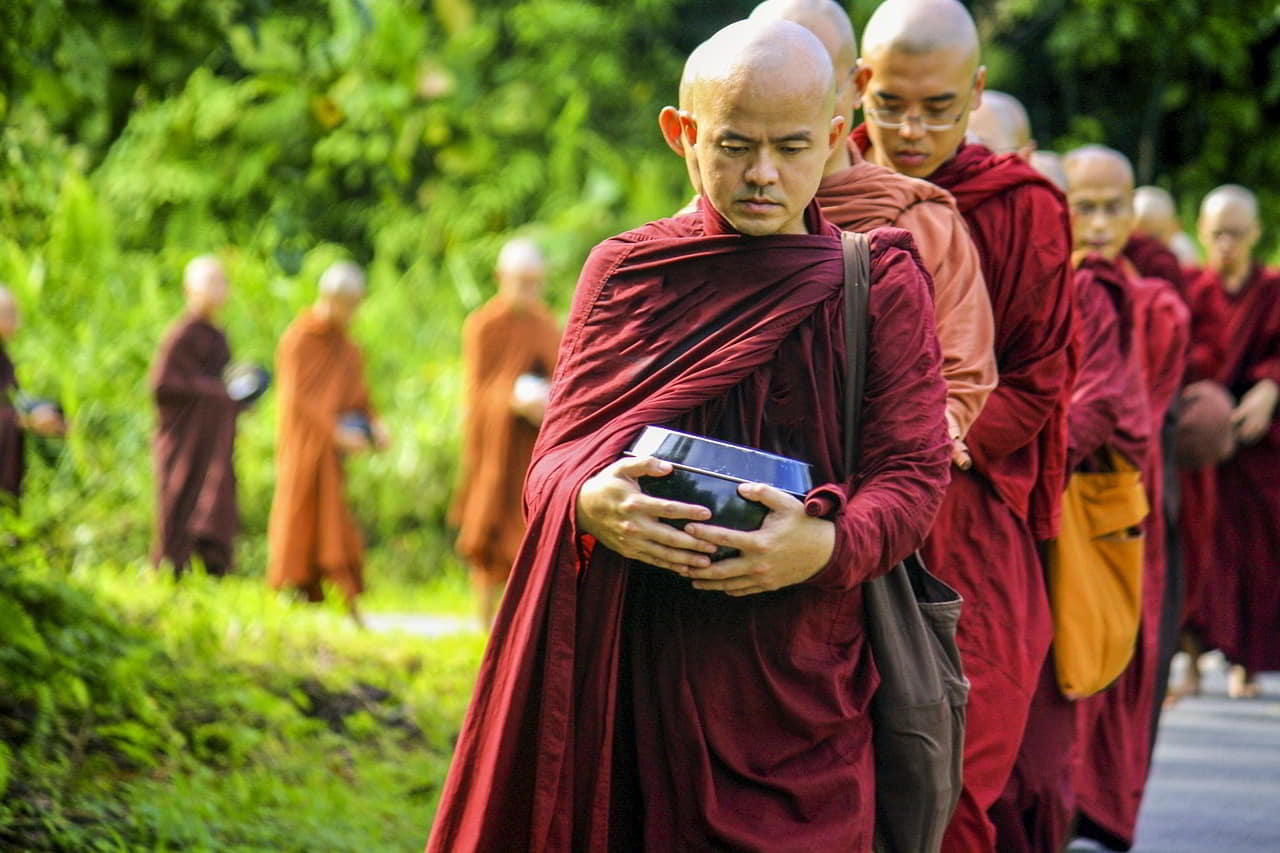
Key points from the council’s statement
This is not a new rule, but a reaffirmation of existing regulations that periodically need to be reiterated amid high-profile episodes. In the council’s wording, it is emphasized that the problem is not limited to the private initiative of individual monks, since it affects society’s understanding of Buddhist teaching.
The key points of the reminder are as follows:
- the ban on activities related to the lottery and gambling, set out in the 1955 regulations, has been reaffirmed
- monks have been warned that it is unacceptable to support superstition and spread “lucky number” practices
- violations may entail disciplinary measures up to and including loss of monastic status
- attention to the issue has intensified amid a rise in high-profile stories about misconduct in the monastic community
The public context is twofold. On the one hand, part of the audience perceives such predictions as an element of popular religiosity and cultural tradition. On the other hand, the council interprets this as replacing spiritual practice with promises of quick luck, which changes the monk’s role in the eyes of laypeople.
What exactly is prohibited and who the reminder is addressed to
In the Supreme Sangha Council’s statement, the emphasis is on the fact that monks and novices must not predict lottery outcomes, name “lucky” numbers, or generally act as fortune-tellers if this encourages participation in gambling. The ban covers not only direct “guessing” of combinations, but also any messaging that turns religious authority into a tool for betting.
Such clarification is important because of the blurred line between advice, symbolic guidance, and the commercialized practice of divination. In the public sphere, especially on social media, religious rhetoric is sometimes mixed with promises of luck, and for the council this looks like exploitation of the trust associated with monastic status.
Why the issue has flared up again
According to The Thaiger, the renewed surge of attention is linked to revived concerns over the alleged involvement of senior monks in superstitious and gambling-related practices. If such stories involve well-known figures, the reputational damage to the entire Sangha becomes more noticeable than in the case of local incidents.
In the council’s explanations, there is an idea of undermining public trust and distorting Buddhist teaching. For some laypeople, a monk who names numbers turns into a “mystical specialist,” rather than a person of discipline and learning, and this changes expectations of religious life as a whole.
Sangha discipline and state law: two separate frameworks for the ban
It is emphasized separately that there are two levels of accountability. The first level is linked to monastic discipline, that is, to the Sangha’s internal rules and codes of conduct that define a monk’s status and permissible practices.
The second level is linked to national legislation, which treats involvement in gambling practices as a violation under the law. In the original statement this linkage is indicated directly, but without detailing specific provisions, so it remains unclear which legal mechanisms are applied in such cases and how often they are taken to formal proceedings.
The council’s position in a direct quote
A council representative explained why the practice of “lottery tips” is considered harmful and unacceptable.
“Monks should not present themselves as mystical figures,” the representative said. “Encouraging gambling through lucky numbers only leads society away from the Dhamma.”
In the council’s logic, the social harm is linked to the growth of superstition and the involvement of people in gambling practices, where the promise of luck can push them toward financial losses.
What rule is in force and since when
The current ban was enshrined in 1955, and the present reminder relies specifically on this provision. The council interprets it as a stable part of the disciplinary order, rather than a reaction to individual media scandals.
At the same time, restrictions of this kind were recorded earlier as well. Reports on the background mention that similar bans were reflected as early as 1860 in a royal decree by King Rama IV, meaning that the idea of separating the monkhood from the gambling sphere has a long administrative and religious tradition.
What measures may be applied to violators
Possible consequences in the materials are described as disciplinary and status-related. The list of measures referred to includes:
- disciplinary sanctions within the monastic system
- proceedings under monastic law and Sangha procedures
- loss of monastic status
In practice, the question of consistent enforcement of these measures remains open. Public reports more often record the fact of reminders and warnings than statistics on punishments, and this makes it difficult to assess how effectively the ban works as a deterrent mechanism.
Background in recent years and the role of social media
Attention to the lottery issue is growing amid broader public irritation over reports of monks implicated in romantic relationships, financial scandals, and unregistered business ventures. These narratives create a sense that discipline is being tested on several fronts at once, from personal life to money and public influence.
Reports have also repeatedly appeared in the public sphere about monks who played in online casinos. For example, in 2025 the abbot of Wat Rai Khing temple was arrested and accused of embezzling donations for bets in online casinos. He became the subject of a criminal case and was removed from the monkhood. This caused an especially serious public outcry against the backdrop that in Thailand online casino gambling is prohibited not only for monks but also for ordinary citizens. Offshore websites are used for betting.
To make sense of this information, we reviewed several sites with reviews of popular gambling entertainment. After all, it is on them that the largest casinos are usually presented. According to the information we received when clicking go to site for the game Monopoly Big Baller, internationally licensed sites offer players a straightforward sign-up process. Combined with a wide selection of games, this becomes a real temptation even for monks.
Despite repeated warnings, some monks continue to attract followers with claims of the “supernatural,” and social media expands the reach of such stories. The council assesses the risks as twofold: distortion of Buddhist values and possible financial harm to people who perceive religious authority as a guarantee of winning.
In the final message conveyed as the council’s position, the norm of monastic life is emphasized: a focus on meditation, discipline, and service to the community. In the same wording, it is stated that failure to comply with these principles entails accountability under religious law.